Why the first minutes matter
When an emergency happens, a car crash on the highway, a fall at a construction site, a heart attack at home, the first few minutes are critical. Emergency medical services in Jamaica can take time to arrive, especially in Portmore where traffic can be heavy. What you do in that gap can mean the difference between a full recovery and a permanent injury. You do not need to be a doctor; you just need to know the basics and stay calm.
The biggest mistake people make is doing nothing because they are afraid of making it worse. But in most cases, doing something simple, like applying pressure to a wound or turning someone on their side, is better than waiting. The key is to act quickly, but not recklessly. You must first make sure the scene is safe, then check the person, and then call for help. This guide walks you through those steps for the most common emergencies.
First steps: check, call, care
Before you touch the injured person, look around. Is the scene safe? If there is fire, traffic, or fallen power lines, do not put yourself in danger. If it is safe, approach the person and check if they are conscious. Tap them gently and shout, 'Are you okay?' If they do not respond, check if they are breathing. Look at their chest, listen for breath sounds, and feel for air on your cheek. This takes ten seconds but tells you what to do next.
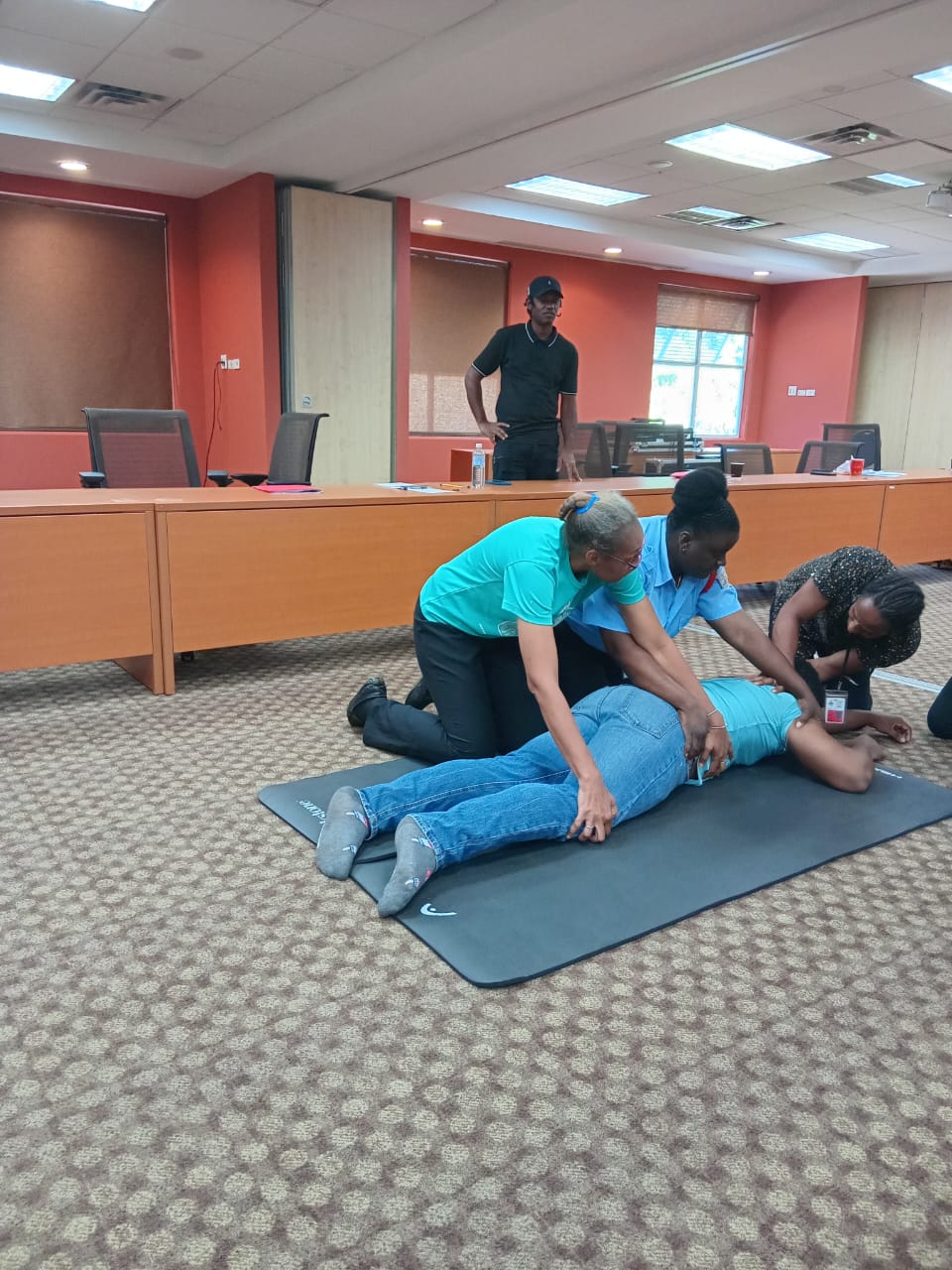
If the person is unconscious but breathing, roll them onto their side in the recovery position, this keeps their airway open and lets fluids drain. If they are not breathing, start CPR immediately. In Jamaica, call 110 for an ambulance or 119 for the police, and tell the dispatcher your exact location. If you are alone, do CPR for two minutes before calling, unless the person is a child, then call first. If someone else is there, send them to call while you start care.
Bleeding and wound care
Severe bleeding looks scary, but you can control it. Put on gloves if you have them, then press firmly on the wound with a clean cloth or your bare hand if nothing else is available. Keep pressing for at least ten minutes, do not lift the cloth to peek. If blood soaks through, add more cloth on top, do not remove the first one. If the bleeding is on an arm or leg and does not stop, apply a tourniquet two inches above the wound, but only if you have been trained to use one.
For minor cuts and scrapes, wash the wound with clean water and mild soap, then cover it with a sterile dressing. Do not use cotton wool directly on an open wound, it sticks. For a nosebleed, sit the person forward and pinch the soft part of the nose for ten minutes. Do not tilt the head back; that makes blood run down the throat. If bleeding does not stop after twenty minutes, or if the wound is deep and gaping, get medical help.
Choking and breathing emergencies
Choking happens when food or an object blocks the airway. If the person can cough or speak, encourage them to keep coughing, do not slap them on the back. If they cannot cough, speak, or breathe, give five sharp blows between their shoulder blades with the heel of your hand. If that does not work, stand behind them, make a fist with one hand, place it just above their navel, and give five quick inward and upward thrusts. Alternate back blows and abdominal thrusts until the object comes out.
If the person becomes unconscious, lower them to the floor and start CPR. For a baby under one year, place them face down on your forearm and give five back blows, then turn them over and give five chest thrusts with two fingers. Never do abdominal thrusts on a baby. For asthma attacks, help the person sit upright and use their inhaler. If breathing is still laboured after ten minutes, call for an ambulance.
What to do while waiting for help
Once you have called for an ambulance, do not just stand there. Keep the person comfortable and monitor their condition. If they are conscious, talk to them and keep them calm, panic makes things worse. Loosen tight clothing and cover them with a blanket if they are cold. Do not give them anything to eat or drink, even if they ask, because they may need surgery later. If they have a known condition like diabetes or epilepsy, ask if they have medication or a medical alert bracelet.
When the ambulance arrives, give the paramedics a clear summary: what happened, how long ago, what you did, and the person's medical history if you know it. This information helps them decide on treatment. After the emergency, take a moment to reflect, what could you have done better? Consider taking a first aid course to build your skills. The more people in Jamaica who know how to respond, the safer our communities become.